
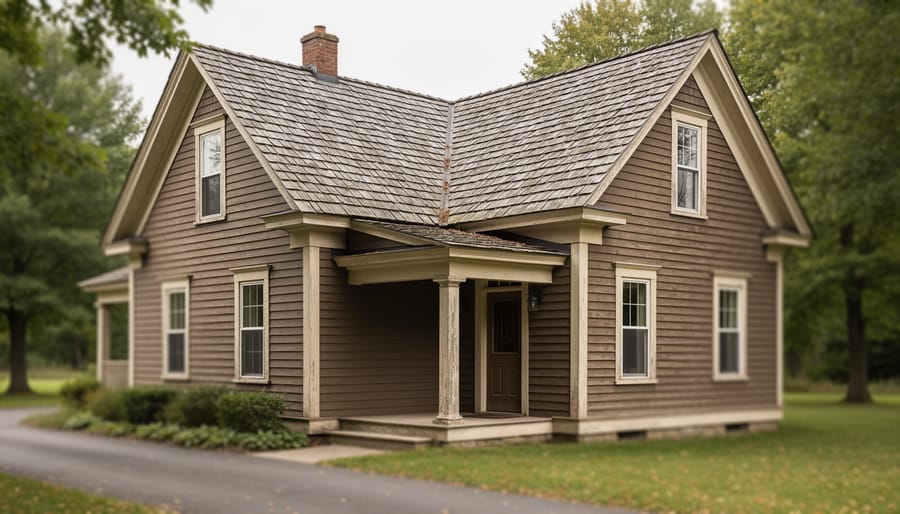
Insuring an older home means navigating case-by-case underwriting, higher deductibles, and mandatory system upgrades before many carriers will even offer coverage. Unlike standard properties that receive automatic quotes, heritage and aging homes trigger detailed scrutiny of roofing materials, electrical systems, plumbing, and structural integrity. Insurers want to know if you still have knob-and-tube wiring (which usually results in outright refusal or required replacement), whether your plumbing is galvanized steel or copper, the age and condition of your roof, and how well you’ve maintained your heating system. This isn’t simply box-ticking; underwriters assess proximity to water, soil stability, and regional risks that disproportionately affect older construction.
If you’re restoring a century home or buying a charming Victorian that’s captured your family’s imagination, understanding what insurers require upfront saves you from last-minute refusals. Aging systems carry higher risk, and carriers respond by requiring proof of upgrades, offering specialty endorsements, or shifting certain perils (like hail and windstorm in Alberta) to optional coverage rather than including them in your base policy. Hail alone drives the majority of home insurance claims in that province, pushing deductibles from the old $1,000 standard to $2,500 or even $5,000 today.
The good news? Tailored coverage exists for homes with character and history. You simply need to prepare documentation, budget for required improvements, and choose the right policy structure for your property’s unique needs. This guide walks you through underwriting criteria, compares coverage types suited to aging systems, and highlights the common mistakes that lead to inadequate protection or denial.
What Insurers Evaluate in Older Homes
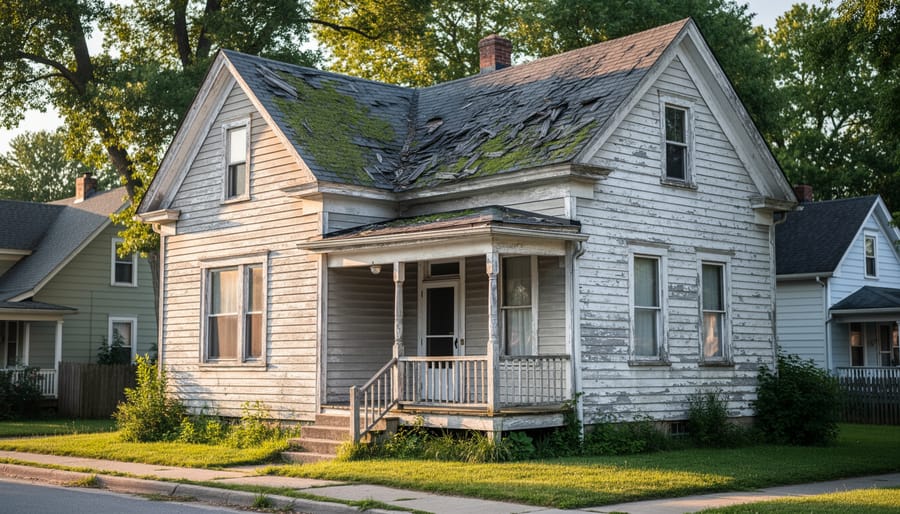
When you apply for coverage on an older or heritage home, insurers evaluate several critical factors to assess the property’s risk profile. Unlike newer construction where standardized criteria apply, older homes undergo case-by-case underwriting. Each insurer examines the specific condition and age of major systems, structural elements, and environmental factors that could increase the likelihood of claims.
Understanding what insurers scrutinize helps you prepare documentation, identify necessary upgrades, and avoid coverage refusals. Here are the key questions underwriters ask about older properties:
- Roof age and material: Is the roof over 20 years old, and what type of covering protects it?
- Wiring type and age: Does the home have knob-and-tube, aluminum, or modern copper wiring?
- Plumbing material: Are pipes made of galvanized steel, lead, polybutylene, or copper?
- Heating system condition: What type of furnace or boiler is installed, and when was it last serviced?
- Maintenance and renovation records: Can you document upgrades, repairs, and regular system servicing?
- Structural integrity: Are there signs of foundation settling, water damage, or load-bearing issues?
- Location risks: How close is the home to water sources, flood zones, or unstable slopes?
Each factor carries weight because it directly influences claim probability and potential payout size. An aging roof increases the risk of water damage from weather events. In regions like Alberta where hail is the single largest driver of home insurance claims, a deteriorating roof becomes an even greater concern. Insurers want assurance that the roof can withstand typical weather stresses without failing.
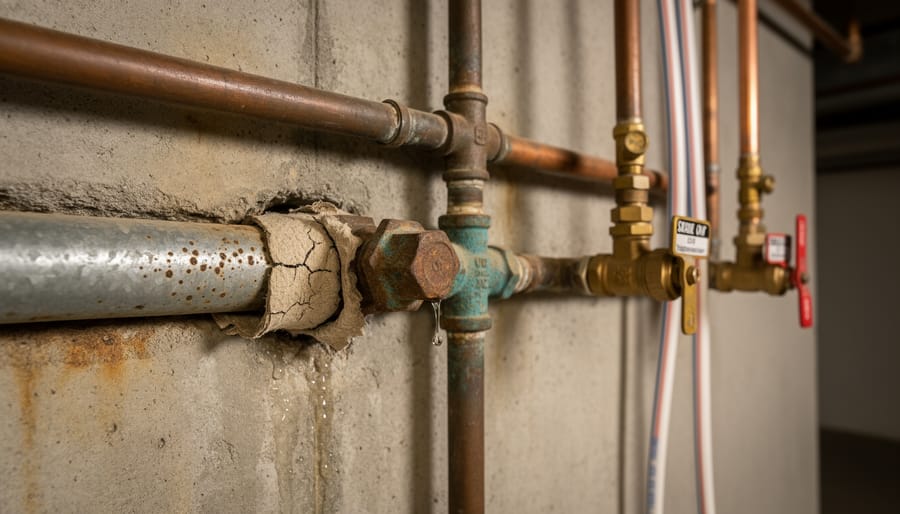
Electrical systems pose particularly high scrutiny. Knob-and-tube or ungrounded wiring usually triggers either refusal or mandatory replacement before coverage begins. These outdated systems lack modern safety features and present fire hazards, making them unacceptable risks for most insurers. Similarly, galvanized steel or polybutylene plumbing raises red flags because these materials degrade over time and can cause sudden, expensive water damage.
Heating systems matter because furnace failures in winter can lead to freeze damage throughout the home. Insurers prefer evidence of recent professional servicing and systems less than 20 years old. The structural condition assessment looks for foundation cracks, sagging floors, or compromised load-bearing walls that signal deferred maintenance or deterioration. Proximity to water, slope instability, or poor drainage affects flood and erosion risk, which factors into both coverage availability and deductible levels.
Thorough documentation of your home’s condition and upgrade history strengthens your application. Insurers view well-maintained older homes with updated critical systems as manageable risks rather than automatic liabilities.
Critical Risk Factors That Impact Coverage

Certain features common in older homes trigger immediate concern from insurers, often resulting in coverage refusal or mandatory upgrade requirements before any policy is issued. Understanding these critical risk factors helps you prepare for the underwriting process and avoid surprises when shopping for coverage.
Outdated electrical systems top the list of deal-breakers. Knob-and-tube wiring, common in homes built before the 1950s, lacks grounding and was never designed to handle modern electrical loads. Insurers view it as a fire hazard and usually refuse coverage outright unless you replace the entire system. Ungrounded two-prong wiring presents similar concerns, though some insurers may offer coverage with restrictions or higher deductibles rather than outright refusal. Either way, expect to provide documentation of any electrical upgrades and have licensed electrician reports ready when applying.
Aging plumbing creates another significant hurdle. Galvanized steel pipes, widely used until the 1960s, corrode from the inside out and can fail without warning, leading to water damage claims that insurers want to avoid. Clay or cast iron drain lines deteriorate over time and are prone to collapse. Insurers often require proof that you’ve replaced problematic plumbing sections or impose special exclusions for water damage claims if you haven’t.
Roofing condition matters just as much as age. A roof approaching or exceeding 20 years raises red flags regardless of material, but worn asphalt shingles or damaged wood shakes trigger mandatory replacement requirements. Insurers fear both leak-related interior damage and the higher replacement costs if a claim occurs before you’ve upgraded. In regions where hail drives claims, such as Alberta where it’s the single largest driver of home insurance losses, insurers scrutinize roofing even more closely.
These systems increase risk because they’re more likely to fail and cause claims. Water damage from burst pipes, fires from faulty wiring, and interior damage from leaking roofs cost insurers significantly. Just as homeowners who test solar panels proactively maintain their systems, insurers expect aging home systems to be monitored, maintained, and replaced before failure becomes inevitable. Case-by-case underwriting means proving you’ve addressed these risks or accepting limited coverage options.
Key Factors When Choosing Coverage for Your Old Home
When shopping for coverage, you need to look beyond price and focus on the factors that determine whether your old home will actually be protected when you file a claim. Start by understanding how your policy values your property, because this choice affects every dollar you might receive after a loss.
The most critical decision is choosing between replacement cost and actual cash value policies. Replacement cost coverage pays to rebuild or repair using current materials and labor, which matters enormously for older homes where period-appropriate replacements cost significantly more than standard materials. Actual cash value policies, by contrast, subtract depreciation from payouts, meaning your 30-year-old slate roof gets reimbursed at a fraction of its replacement cost, leaving you with a substantial gap to cover out of pocket. While actual cash value premiums run lower, the potential shortfall when you need to rebuild can be severe.
Coverage scope matters just as much as valuation method. Standard homeowners policies exclude certain perils or cap payouts for specific features, and these exclusions hit older homes hard. Review what your base policy covers versus what requires optional endorsements. As noted earlier, several Alberta insurers now treat hail and windstorm as optional rather than base coverage, which means you could face uncovered storm damage unless you explicitly add that protection. Similarly, many policies exclude or limit coverage for foundation issues, mold, and ordinance or law upgrades, all common concerns for heritage properties.
Deductible levels directly affect both your premium and your out-of-pocket costs. Higher deductibles reduce your monthly payment but increase what you pay before coverage kicks in. In Alberta, where hail drives the majority of home insurance claims, deductibles have climbed from $1,000 to commonly $2,500 to $5,000 for this peril alone. Factor realistic repair scenarios into your deductible choice rather than simply selecting the lowest premium.
| Factor | What It Means for Old Homes | Impact on Coverage | What to Look For |
|---|---|---|---|
| Replacement Cost vs. ACV | Determines if depreciation is deducted from claim payouts | Affects gap between payout and actual rebuild costs | Guaranteed replacement cost or extended replacement cost options |
| Coverage Scope | Base policy may exclude heritage-specific risks | Can leave period features or regional perils uncovered | Inclusions for ordinance upgrades, foundation, optional windstorm/hail |
| Deductible Levels | Higher deductibles common for older homes and certain perils | Changes out-of-pocket cost per claim | Separate deductibles for hail, wind, or water damage |
| Specialty Endorsements | Add coverage for original details, materials, craftsmanship | Protects features standard policies may undervalue | Agreed-value riders for unique architectural elements |
Specialty endorsements exist to cover what standard policies miss. If your home has original stained glass, custom millwork, or period-specific materials, a base policy may not account for the cost to source matching replacements or skilled artisans. Endorsements for heritage features establish agreed values upfront, removing the risk that your insurer will substitute modern equivalents after a loss. Ask whether your policy allows endorsements for architectural details, and compare build house costs for period-appropriate work versus standard construction to understand the potential gap.
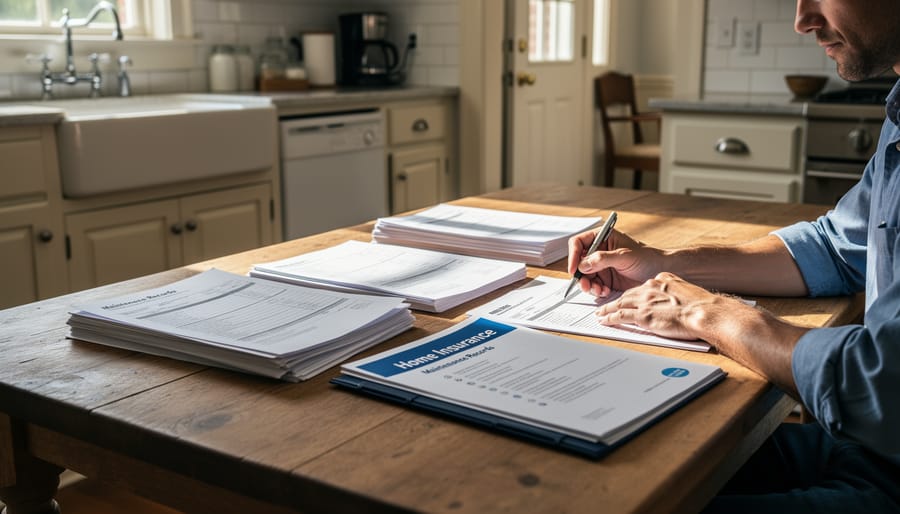
Finally, documentation and maintenance records are not just bureaucratic boxes to check, they directly influence whether your insurer will offer coverage and at what terms. Keep receipts for roof replacements, electrical upgrades, plumbing work, and heating system servicing. Photograph renovations that preserve or restore original features. When you apply for coverage, insurers underwrite older homes case by case, and your ability to prove recent upgrades and ongoing maintenance can mean the difference between acceptance and refusal.
Types of Coverage Options Compared
Choosing the right coverage approach matters as much as finding an insurer willing to take on your older home. The differences between policy types affect both what you’ll pay now and what you’ll receive after a claim.
Actual Cash Value vs. Guaranteed Replacement Cost
Actual cash value policies pay claims based on depreciated value, what your 30-year-old roof or vintage hardwood was worth at the time of loss, not what replacement costs today. If your original slate roof needs replacing after storm damage, you’ll receive a payout that accounts for decades of wear, leaving you to cover the substantial gap between that depreciated value and current installation costs.
Guaranteed replacement cost coverage pays to rebuild or replace damaged property at today’s prices, even if costs exceed your policy limit. For heritage homes with period-specific features requiring specialized materials or craftsmanship, this protection proves invaluable. The trade-off is higher premiums, but the coverage gap with actual cash value policies can be severe when you’re dealing with custom millwork, plaster walls, or other elements that can’t be replicated cheaply.
Standard Policies vs. Specialty Heritage Coverage
Standard homeowners policies work for many older homes that have been updated with modern systems. If your 1940s house has new wiring, plumbing, and roofing, you’ll likely qualify for conventional coverage at reasonable rates.
Specialty heritage home policies address the unique needs of properties with significant period features or historical designation. These policies typically include higher coverage limits for custom restoration work, replacement with similar materials rather than modern equivalents, and coverage for loss of historical value. They’re harder to find and cost more, but they’re designed for homes where standard replacement doesn’t preserve what makes the property special, much like how careful attention to water filtration and other systems protects your investment in a custom build.
Base Coverage vs. Optional Endorsements
In Alberta, where hail represents the single largest driver of home insurance claims, several insurers have moved hail and windstorm coverage out of base policies entirely. What was once standard protection now requires optional endorsements. Deductibles for hail coverage that were commonly $1,000 have risen to $2,500, $5,000 in many cases.
This shift means reading your policy documents carefully. Base coverage may exclude the very risks your region faces most frequently. Optional endorsements for sewer backup, equipment breakdown, service line coverage, and regional perils can add meaningful protection, but they also add cost. Evaluate which risks your home actually faces rather than assuming comprehensive base coverage.
Regional Considerations and Common Exclusions
Where you live shapes what coverage you can get, and how much you’ll pay. Older homes face region-specific risks that insurers evaluate carefully, and in some areas those risks have fundamentally changed how policies are structured.
Take Alberta as a prime example. Hail is the single largest driver of home insurance claims in the province, and the frequency and severity of hailstorms have pushed insurers to rethink coverage. Several companies writing homeowners policies in Alberta have moved hail and windstorm out of the base policy entirely, offering them instead as optional coverage that homeowners must add separately. That’s a significant shift: what was once standard protection now requires an active choice and an additional premium.
The deductibles tell the same story. Hail deductibles that were once $1,000 are now commonly $2,500 to $5,000 in Alberta. If your older home takes damage in a storm, you’re paying substantially more out of pocket before coverage kicks in.
Other regions carry their own risk profiles. Coastal areas face flood and hurricane exclusions. Earthquake-prone zones require separate seismic coverage. Areas with wildfire risk may see brush clearance requirements or outright coverage restrictions.
To identify exclusions in your region, read your policy’s exclusions section carefully, not just the coverage highlights. Ask your insurer or broker directly about common claims in your area and whether those perils are covered in the base policy or require add-ons. Local building departments and insurance bureaus often publish regional risk maps that show what threats your home faces.
Understanding these local factors before you shop lets you compare policies accurately and avoid discovering gaps when you file a claim.
Our Recommendations for Protecting Your Heritage Investment
Start your search for coverage with a professional home inspection focused on your property’s age and construction. The inspection report gives you a clear picture of which systems need immediate attention and which issues might trigger refusal from insurers. Knowing where you stand before you contact insurers prevents wasted time on applications that won’t be approved and lets you address deal-breakers first.
Prioritize critical system upgrades based on what insurers scrutinize most. If your home still has knob-and-tube or ungrounded wiring, replacement is almost always mandatory, most insurers will refuse coverage outright until it’s updated. Aging plumbing and roofing over 20 years old rank second and third on the risk list. These three systems determine whether you get coverage at all, so tackle them first if your budget requires phasing upgrades. Heating system maintenance and structural repairs matter, but they typically won’t block coverage the way outdated wiring does.
Gather complete documentation of all maintenance, renovations, and upgrades your home has received. Insurance companies underwriting older homes on a case-by-case basis need proof that systems have been updated and maintained. Invoices, permits, inspection reports, and contractor receipts create a paper trail that demonstrates your property has been cared for, not neglected. This documentation can make the difference between approval and refusal when an underwriter is evaluating a borderline case.
Work with brokers or insurers who specialize in older and heritage properties. Specialists understand which carriers will consider homes of your age and construction type, and they know how to present your application effectively. They can also explain which features qualify for specialty endorsements and whether your period-specific elements need higher coverage limits to reflect replacement costs accurately.
Consider whether optional coverage for regional risks justifies the cost. If you’re in Alberta, where hail drives the majority of home insurance claims and many insurers have moved hail and windstorm to optional coverage with deductibles commonly ranging from $2,500 to $5,000, evaluate your exposure carefully. A home with mature tree cover and modern impact-resistant roofing faces different risk than one on an exposed lot with an aging roof. The frequency and severity of claims in your specific area should guide this decision, not just the availability of the coverage.
Be realistic about coverage limits for heritage features. Original millwork, specialty plaster, stained glass, and period hardware cost more to repair or replace than standard materials, but determining exact coverage needs requires quotes from qualified craftspeople familiar with restoration work. Budget for higher limits if your home contains significant original features you want to restore rather than replace with modern alternatives.
Common Mistakes to Avoid
Homeowners shopping for coverage on older properties often make critical errors that can leave them underinsured or facing unexpected claim denials. Understanding these pitfalls before you finalize your policy saves both money and heartache.
The most common mistake is assuming a standard homeowners policy will adequately cover heritage features and period-specific materials. Crown molding, original hardwood floors, leaded glass windows, and ornamental plasterwork require skilled artisans and specialized materials to replace. Standard policies typically cover basic construction costs, which won’t reflect the true expense of restoring authentic period details. If you plan to sell your old home and purchase a heritage property, make certain your new policy includes endorsements specifically designed for original features.
Failing to disclose known issues or deferred maintenance ranks as another costly error. Insurers conducting case-by-case underwriting for older homes will discover undisclosed problems during inspections or when you file a claim. Concealing outdated wiring, roof leaks, foundation cracks, or aging plumbing can result in claim denial and policy cancellation. Honesty about your home’s condition is essential, even if it means facing mandatory upgrades before coverage begins.
Many homeowners neglect to document renovations and system upgrades. When you replace knob-and-tube wiring, update plumbing, or install a new roof, keep receipts, permits, and contractor documentation. This evidence proves compliance with insurer requirements, can lower your premiums, and streamlines the claims process. Without this paper trail, insurers may question whether work was completed to code.
Ignoring mandatory upgrade requirements represents a final critical mistake. When an insurer identifies knob-and-tube wiring, outdated plumbing, or an aging roof as unacceptable risks, they’ll either refuse coverage or require replacement within a specified timeframe. Delaying these upgrades can leave you without coverage if something goes wrong during the grace period, and you may struggle to find alternative insurers willing to cover unaddressed risks.
Protecting your heritage investment starts with clear communication, thorough documentation, and realistic expectations about both coverage costs and upgrade requirements. The same attention to detail that goes into preserving an older home must extend to securing the right insurance protection.
Frequently Asked Questions
Securing insurance for an older home raises questions most buyers of newer properties never encounter. Understanding what insurers require and how the process differs helps you prepare properly and avoid unpleasant surprises during underwriting.
Will insurers cover a home with knob-and-tube wiring?
Most insurers will either refuse coverage or require mandatory replacement before issuing a policy. Knob-and-tube and ungrounded wiring systems are considered high-risk factors that trigger special scrutiny during the underwriting process.
What happens if my roof is over 20 years old?
Insurers will evaluate the roofing material and current condition alongside age. You may face higher deductibles, coverage limitations, or a requirement to replace the roof within a specified timeframe as a condition of coverage.
Do I need special coverage for original heritage features?
Standard policies often don’t adequately cover the replacement cost of period-specific materials and craftsmanship. Specialty endorsements designed for heritage homes can provide appropriate protection for features like original trim, hardwood floors, and architectural details that cost significantly more to restore than modern equivalents.
How does case-by-case underwriting work for older homes?
Insurers evaluate each property individually based on its specific condition, location, and risk factors rather than applying standard criteria. They’ll ask detailed questions about roof age and material, wiring type, plumbing material, heating system maintenance, structural integrity, proximity to water, and slope or soil conditions before deciding whether to offer coverage and at what terms.
The documentation you maintain makes a real difference when applying for coverage. Keep records of all major system upgrades, including electrical panel replacements, plumbing updates, roof installations, and heating system servicing. Photographs showing the condition of critical components before and after renovations help underwriters assess risk accurately. Inspection reports from licensed professionals carry particular weight, especially when they confirm that aging systems remain in good working order or have been brought up to current standards.
Deductibles for older homes often differ from standard policies, particularly in regions with specific weather risks. In Alberta, where hail drives the largest share of home insurance claims, deductibles that were once $1,000 have commonly risen to $2,500 or $5,000. Several insurers have moved hail and windstorm coverage out of base policies entirely, offering them as optional add-ons. Understanding how your region’s risk profile affects both deductibles and coverage structure helps you budget accurately and avoid gaps in protection when you need it most.
Securing the right insurance for your older or heritage home takes more effort than clicking through a standard online quote, but it’s absolutely achievable with the right preparation. The homes that carry the most character, the ones with original hardwood, hand-plastered walls, or period architectural details, require the same thoughtful approach to protection that went into their construction. Case-by-case underwriting isn’t a barrier; it’s an opportunity to show insurers you understand your home’s needs and you’ve taken steps to address them.
Honesty matters here more than convenience. Disclosing known issues, providing maintenance records, and documenting upgrades builds trust with underwriters and ensures you’re not left with coverage gaps when you need your policy most. The homeowners who struggle are usually the ones who skip the inspection, hide deferred maintenance, or assume standard coverage will protect features that require specialty endorsements. Those who succeed treat the insurance process as part of responsible homeownership, gathering records, making critical upgrades, and working with brokers who understand older properties.
At Heartland Custom Homes, we believe every dream home deserves protection that matches the care put into it. Whether you’re building a custom residence from the ground up or preserving a heritage property with decades of history, the same principles apply: attention to detail, quality craftsmanship, and planning for the long term. Your home is more than an asset, it’s where your family’s story unfolds. Taking the time to secure proper coverage now means that story continues, no matter what challenges arise.