
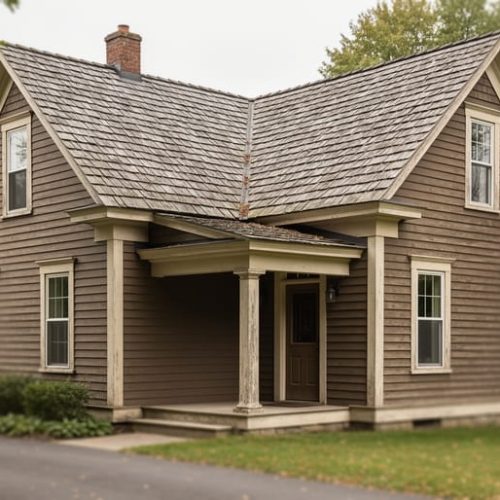
Insuring an older home means navigating case-by-case underwriting, higher deductibles, and mandatory system upgrades before many carriers will even offer coverage. Unlike standard properties that receive automatic quotes, heritage and aging homes trigger detailed scrutiny of roofing materials, electrical systems, plumbing, and structural integrity. Insurers want to know if you still have knob-and-tube wiring (which usually results in outright refusal or required replacement), whether your plumbing is galvanized steel or copper, the age and condition of your roof, and how well you’ve maintained your heating system. This isn’t …
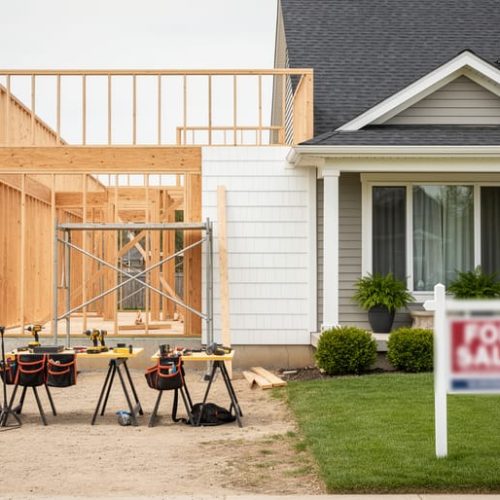
How to Build Your New House While Selling Your Old One: A Step-by-Step Guide
Building a new custom home while your current house sits unsold is entirely possible with the right financing strategy and timeline coordination. The key is securing a construction loan with a contingency plan, typically either a bridge loan to cover both mortgages temporarily or a builder who offers flexible occupancy terms that align with your home sale closing. Most families who successfully navigate this transition work backward from their new home’s completion date, listing their existing property 4-6 months before move-in to create a selling window that minimizes carrying two properties.
The challenge isn’t whether…
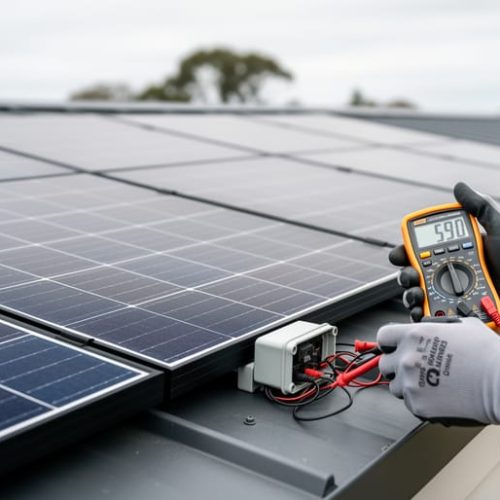
How to Perform Solar Panel Testing: A Step-by-Step Guide for Your Custom Home
Testing your solar panels regularly ensures your investment performs at peak efficiency and delivers the energy savings your family deserves. You can monitor most aspects of your home solar system using basic tools like a multimeter and your system’s monitoring app, checking output voltage, current production, and overall performance in 15 to 30 minutes each season. Professional testing becomes necessary when performance drops unexpectedly or during your annual system inspection, but routine homeowner checks catch small issues before they become costly repairs.
Your solar panels represent a significant financial commitment to …
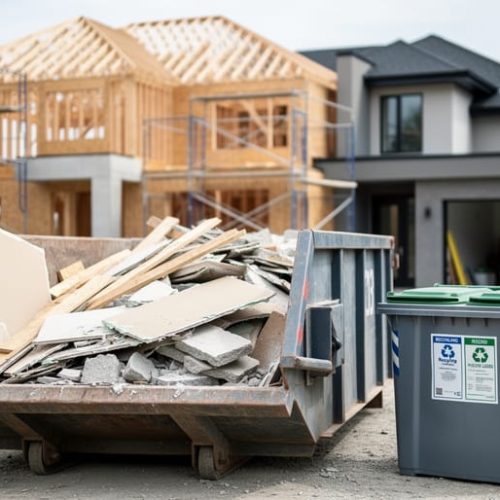
How to Handle Disposal of Construction Waste During Your Custom Home Build
Managing construction waste properly means partnering with licensed transporters, budgeting 1-4% of your total build cost for disposal, and meeting local diversion requirements that now mandate at least 65% of debris be recycled rather than landfilled. When you construct your home understanding these practical and regulatory aspects upfront prevents costly surprises and ensures your project stays compliant from foundation to …
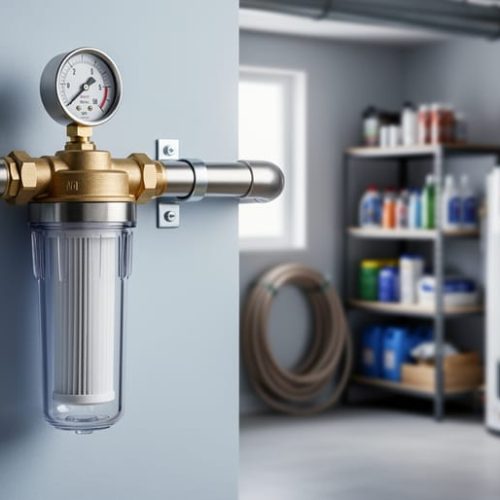
How to Choose a Whole House Water Filtration System: A Buying Guide
A whole house water filtration system filters every drop of water entering your home through a single point-of-entry unit, delivering clean water to every faucet, shower, and appliance. These systems typically cost between $1,129 and $3,541 for equipment, with installation averaging around $2,274 (though it can range from $200 to $6,000 depending on your home’s configuration and the complexity of the system you choose).
Key Takeaway: Whole house filtration removes contaminants like chlorine, sediment, and heavy metals before they reach your taps, protecting your family’s health …
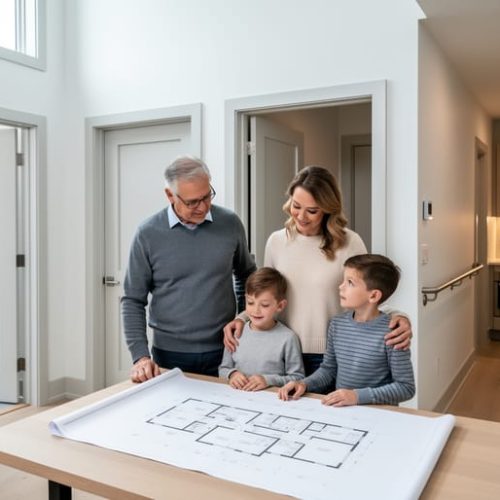
How the New Multigenerational Tax Credit Changes Your Custom Home Budget
The multigenerational home renovation tax credit offers Canadian homeowners up to $50,000 in eligible expenses to create a secondary suite for an older adult or adult with a disability. This translates to a substantial financial break, potentially putting thousands back in your pocket when you build or renovate with family in mind.
But here’s what most articles won’t tell you: if you’re planning to build a custom home anyway, designing for multigenerational living from day one saves you significantly more than retrofitting later. We’ve worked with families who discovered that incorporating a secondary suite …