
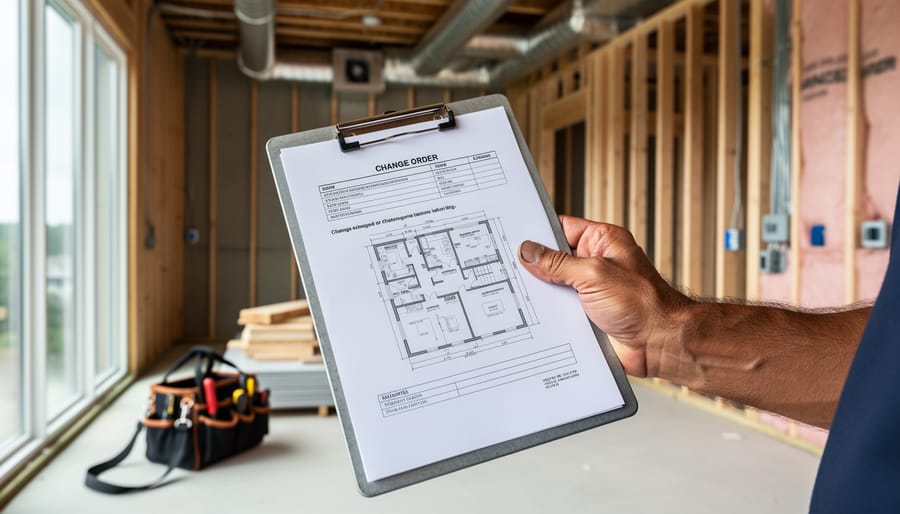
Proposal change orders during a custom home build typically range from $2,000 to $25,000 or more, depending on the scope and complexity of the modifications you’re requesting. Most families building with Heartland find their PCO costs averaging between $5,000 and $15,000 throughout the construction process, though your actual investment will vary significantly based on what you’re changing and when you make those decisions.
Understanding what drives these numbers matters just as much as the figures themselves. The three biggest factors that influence your PCO costs are timing (changes made during construction cost substantially more than those made during design), the type of modification (structural changes carry higher price tags than cosmetic updates), and how the change impacts other trades already scheduled or completed. A seemingly simple request to move a wall might require adjustments to electrical, plumbing, HVAC, and framing, each adding labor and material costs to your final bill.
We’ve seen families stress over change orders unnecessarily, viewing them as budget busters rather than tools for creating their dream home. The reality sits somewhere in between. PCOs give you flexibility to personalize your space as your vision evolves, but that flexibility comes with real costs that deserve your attention and planning.
This guide breaks down exactly where your money goes with proposal change orders, shows you which modifications deliver the best value, and provides concrete strategies to manage these expenses without sacrificing the custom touches that make your house uniquely yours. Whether you’re selecting finishes or considering layout adjustments mid-build, you’ll gain the clarity needed to make confident decisions about every change order that crosses your desk.
What Is a PCO Change Order?
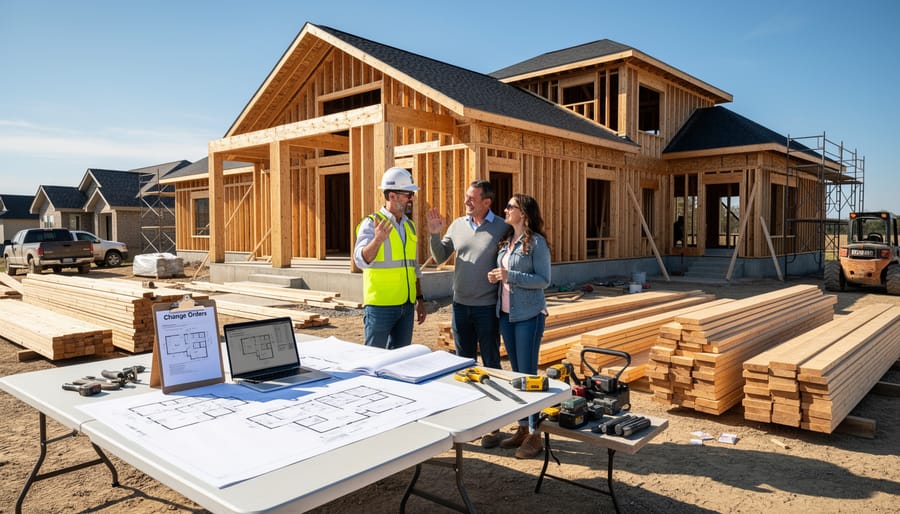
In custom home building, a PCO, or Proposal Change Order, represents a formal document that outlines modifications to your original construction contract. When you decide to swap standard light fixtures for custom pendants, add a coffee bar in your kitchen, or adjust a wall placement after seeing the framing, your builder creates a PCO detailing the proposed changes, associated costs, and timeline impacts. This document becomes a transparent agreement between you and your builder before any work begins.
PCOs differ from other change order types in an important way: they’re proposals, not completed work. Unlike field change orders that document adjustments made during construction emergencies, or change directives issued when disputes arise, a PCO gives you the opportunity to review pricing and make an informed decision before your builder proceeds. You’ll see exactly what the change costs and why, then approve or decline based on your budget and priorities.
Most PCOs arise during three phases of your custom home journey. During the design refinement stage, you might adjust room sizes or upgrade finishes as you visualize your completed home. Throughout construction, seeing your spaces take physical form often sparks new ideas, a wider doorway here, built-in shelving there. Near completion, final touches like additional outlets or lighting adjustments help perfect your vision.
Here’s what makes PCOs a positive part of the process: they represent your evolving vision becoming reality. Building a tailored home means discovering what truly works for your family as the project unfolds. Rather than viewing PCOs as setbacks, successful homeowners see them as opportunities to refine their dream home into something even better than originally imagined. Your builder partners with you through these decisions, ensuring each change enhances your family’s long-term happiness in your new space.
PCO Change Order Costs by Type
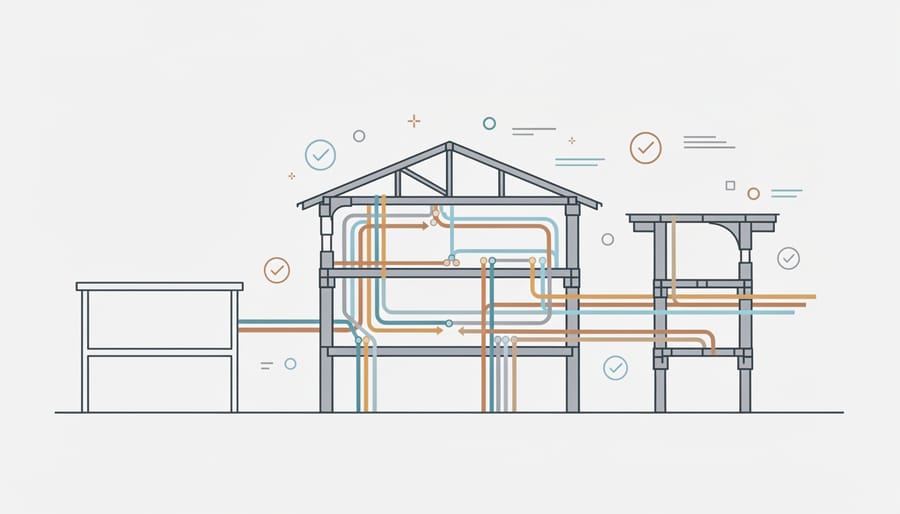
Understanding what drives PCO pricing starts with recognizing that not all change orders carry the same price tag. The type of modification you’re requesting fundamentally shapes the cost, and knowing these categories helps you budget realistically for the personalization that makes your house truly yours.
Minor Design Changes
These are the tweaks that refine your vision without altering the home’s structure. Moving a light switch location, adjusting cabinet heights, or swapping a standard door for a barn door typically run $200 to $1,500 per change. One family working with us moved three electrical outlets during framing for better furniture placement, totaling $850. The cost stayed low because the work happened before drywall installation and required minimal coordination.
Material Upgrades
Swapping builder-grade selections for premium alternatives is where many families invest their change order budget. Upgrading countertops from laminate to quartz might add $3,000 to $8,000. Choosing hardwood over luxury vinyl plank flooring can mean an additional $4,000 to $12,000, depending on square footage and wood species. Adding a whole-house water filtration system during construction typically costs $2,500 to $6,000, far less than retrofitting later.
Scope Additions
These PCOs expand your home’s features beyond the original plan. Adding a covered patio averages $8,000 to $25,000. A built-in office nook with custom shelving runs $3,500 to $9,000. Incorporating smart home wiring throughout can add $2,000 to $7,500. The pricing reflects both materials and the labor to integrate new elements seamlessly with existing work.
Structural Modifications
Changes affecting your home’s bones carry the highest price tags because they impact engineering, framing, and often multiple trades. Raising a ceiling from eight to ten feet might cost $5,000 to $15,000 for a single room. Removing a planned wall to create an open concept can run $4,000 to $12,000 when you factor in beam installation and structural certification. Adding a window where none was planned typically ranges from $1,200 to $4,500, including framing modifications and exterior finishing.
| Change Order Type | Typical Cost Range | Example Scenario | Timeline Impact |
|---|---|---|---|
| Minor Design Changes | $200, $1,500 | Relocating light switches during framing | 1-3 days |
| Material Upgrades | $2,500, $12,000 | Upgrading to hardwood flooring | 3-7 days |
| Scope Additions | $3,500, $25,000 | Adding covered outdoor living space | 1-3 weeks |
| Structural Modifications | $4,000, $15,000 | Removing wall for open floor plan | 2-4 weeks |
The key to controlling costs isn’t avoiding change orders entirely. It’s understanding which modifications deliver the most value to your family and timing them strategically within the construction process.
Where Your Change Order Money Goes

When you receive a PCO estimate, you’re not just paying for the visible materials or labor hours. Understanding how your money breaks down helps you evaluate whether the price is fair and where opportunities for savings might exist.
A typical PCO change order includes several distinct cost components that work together to ensure quality execution and project integrity:
Labor Costs (35-45% of total): This represents the skilled tradespeople who’ll execute your change. It’s not just the hours worked, it includes payroll taxes, workers’ compensation insurance, and benefits. A structural modification requiring a framing crew for three days includes not only their wages but also the coordination to pull them from other scheduled work.
Materials (25-40% of total): The actual products and supplies needed for your change. This covers everything from lumber and drywall to specialty finishes. In 2026, material costs can fluctuate based on availability and lead times. Rush orders for custom items typically carry premium pricing, which is why finalizing material selections early saves money.
Permits and Inspections (5-10% of total): Structural changes, electrical work, and plumbing modifications require municipal permits and inspections to ensure code compliance. These aren’t optional costs, they protect your family’s safety and your home’s resale value. Some changes trigger multiple inspection requirements, each with associated fees.
Project Management and Coordination (10-15% of total): Your builder must schedule trades, order materials, coordinate inspections, and ensure quality control. This includes the time spent documenting changes, updating plans, and communicating with your architect. Effective project management prevents costly mistakes and keeps your build on track.
Contingency and Markup (10-20% of total): Contractors include markup to cover overhead, insurance, warranty obligations, and profit. The contingency portion addresses unforeseen complications, like discovering outdated wiring when opening a wall. This also accounts for construction waste disposal from removed materials and site cleanup.
Here’s how these components typically stack up in a $10,000 change order:
- Labor: $3,500-4,500 (skilled trades, insurance, coordination time)
- Materials: $2,500-4,000 (products, delivery, storage)
- Permits/Inspections: $500-1,000 (municipal fees, inspection scheduling)
- Project Management: $1,000-1,500 (planning, documentation, quality control)
- Markup/Contingency: $1,000-2,000 (overhead, warranty, unforeseen issues)
This breakdown varies based on the specific change. Material-heavy upgrades like stone countertops shift more cost to materials, while complex structural work increases the labor and coordination percentages. Your builder should provide transparent itemization so you understand exactly what you’re paying for and why.
Factors That Influence PCO Pricing
When You Request the Change
Timing is one of the biggest factors affecting your PCO costs. A material upgrade requested during the design phase, say, swapping standard granite countertops for quartzite, might add $3,000 to your budget. That same change requested after cabinets are installed could cost $5,500, factoring in removal, potential cabinet modifications, and rushed material orders.
Changes during pre-construction typically cost 20-30% less than mid-build modifications. You’re not paying for demolition, work stoppages, or schedule disruptions. One family we worked with decided to relocate their powder room during framing, adding about $2,800. Had they waited until drywall was complete, that figure would have jumped to $6,000 or more.
The closer you are to completion, the steeper the costs climb. A lighting fixture change during rough electrical might add $150. The same change after ceiling finishes are complete could run $800, covering patching, painting, and coordinating multiple trades.
The lesson? Lock in major decisions early. Your wallet will thank you, and you’ll avoid the stress of costly mid-stream changes.
Complexity and Trade Coordination
When your change order requires work from multiple trades, costs rise quickly. A seemingly simple request, say, moving a window, might need a framer to modify studs, an electrician to relocate outlets, an HVAC technician to reroute ductwork, and a plumber if pipes are nearby. Each trade charges a mobilization fee to return to your site, plus labor for their portion of the work. Coordinating these specialists adds project management time, which factors into your PCO price.
Specialized work carries premium pricing because fewer contractors can handle it. Custom metalwork, intricate tile patterns, or complex electrical setups like series-parallel wiring for solar integration require experienced professionals with specific skills. We’ve seen families surprised when a “minor” bathroom layout change cost $4,200, until they understood it involved relocating plumbing stacks, waterproofing modifications, and tile removal that affected the room below.
The sequence matters too. Changes during rough-in might cost $2,000, but the same modification after drywall installation could run $5,500 because finished work must be demolished and replaced. Trade coordination becomes exponentially more complex when your change disrupts the schedule for multiple subcontractors already booked on other projects.
Market Conditions and Material Lead Times
The 2026 construction market continues to show volatility that directly affects PCO pricing. Material lead times have stabilized compared to recent years, but certain specialized products, luxury appliances, custom millwork, imported tiles, still carry extended delivery windows that can add carrying costs to your change order.
When you request a material upgrade mid-project, your builder must account for current pricing, not the quote from six months ago when you signed your contract. Quality materials like hardwoods, natural stone, and architectural metals fluctuate based on global supply chains and seasonal demand. A granite countertop upgrade that seemed reasonable during planning might cost 15-20% more if you decide to change during installation due to market shifts.
The skilled labor market also plays a role. Specialized trades, tile setters, finish carpenters, electricians, command premium rates, and their availability affects scheduling. A change requiring these craftsmen might carry higher labor costs if it disrupts their planned workflow or requires them to return to your site after they’ve moved to another project.
Your builder’s relationships with suppliers and subcontractors can mitigate some of these costs, but market realities remain. Discussing material selections early and understanding current lead times helps you anticipate realistic PCO pricing rather than facing sticker shock later.
DIY Changes vs. Professional PCOs: What You Need to Know

The temptation to handle changes yourself during a custom home build is understandable, formal PCOs add cost, and some modifications seem straightforward. But the line between what you can realistically manage and what requires professional oversight is critical for protecting your investment.
What Homeowners Can Realistically Handle
Minor cosmetic changes that don’t affect structure, systems, or warranties are typically safe territory. Swapping paint colors, adjusting landscaping plans, or choosing different light fixtures after installation won’t compromise your home’s integrity. These decisions can happen outside the formal PCO process if your builder agrees and they don’t affect the construction schedule.
Similarly, finishing touches like hardware selections or decorative elements often fall within your control. Just document any agreements in writing, even for small changes.
Where Professional PCOs Are Essential
Anything touching structural elements, electrical systems, plumbing, HVAC, or building envelope requires a formal PCO. Skipping professional oversight here risks code violations, failed inspections, and voided warranties. Moving a wall, adding a window, upgrading your electrical panel, or changing foundation details must go through your builder’s process.
Professional PCOs also matter for sequencing. What seems like a simple change, say, relocating a bathroom vent, might affect framing, insulation, drywall, and roofing. Your builder coordinates these trades and ensures nothing gets missed.
Pros of Formal PCOs
- Changes are documented, engineered, and code-compliant.
- Your builder’s warranty remains intact for all affected work.
- Trade coordination is handled professionally, avoiding costly mistakes.
- Timeline impacts are assessed and managed upfront.
Cons of Formal PCOs
- Professional oversight and coordination increase the cost of each change.
- The approval process takes time, which can delay decisions.
- You pay contractor markup on materials and subcontractor work.
The Hidden Costs of DIY Changes
Attempting changes outside the formal process might save money initially, but the risks compound quickly. Insurance claims can be denied if DIY work contributed to damage. Future buyers will scrutinize unpermitted modifications during resale. And if something goes wrong, a structural issue, a leaking window, faulty wiring, you’re liable for repairs that could exceed what the PCO would have cost.
Building departments require permits for most meaningful changes. Working without them creates legal headaches and potential liens on your property. Your home insurance guide should mention that unpermitted work can affect coverage.
Even for something like solar panel testing professional verification ensures your system is installed correctly and meets warranty requirements.
The smart approach: communicate openly with your builder about every change, no matter how minor it seems. They can tell you what requires a formal PCO and what doesn’t, protecting both your investment and your peace of mind.
How to Control Change Order Costs in Your Custom Home
The most effective way to control PCO change order costs is to prevent them from happening in the first place, or at least minimize their impact on your budget. Here are proven strategies that help custom home families stay on track:
- Lock in your design decisions before construction starts, especially for structural elements, room layouts, and major finishes
- Review and understand your allowances in detail so you know exactly what’s included and where you might want upgrades
- Set aside 10-15% of your total budget specifically for change orders and refinements
- Make decisions quickly when your builder presents options, delays often increase costs as trades wait
- Visit the job site regularly to catch potential issues or questions early, before work progresses too far
- Communicate clearly about priorities so your builder can suggest cost-effective alternatives when needed
The families who manage change orders most successfully treat the pre-construction phase as seriously as the building itself. Sarah and Tom Martinez spent three months finalizing their selections before breaking ground on their Heartland home. “We lived with paint samples, visited showrooms on weekends, and made our tile decisions early,” Sarah explains. “When we did request two changes during construction, moving a window and upgrading our kitchen island, they were minor enough that we stayed well within our change order budget.”
Equally important is building a realistic contingency fund from the start. Rather than hoping you won’t need it, plan for 10-15% of your construction budget to cover refinements and unforeseen conditions. This mindset shift transforms change orders from budget emergencies into expected opportunities to perfect your home.
Communication rhythm matters too. Establish regular check-ins with your builder, weekly during active construction phases, to review upcoming decisions and address questions before they become rushed change orders. The Jenkins family credits their project manager’s proactive updates with helping them avoid several costly mid-construction changes. “He’d flag decisions coming up in two weeks, giving us time to research and choose without pressure,” Michael Jenkins recalls.
When you do need to request a change, ask your builder about timing options. Sometimes waiting a few days to coordinate with existing work can significantly reduce labor costs. Your builder wants to help you create your dream home within budget, open dialogue about cost implications lets you make informed choices that balance vision with financial reality.
Common Questions About PCO Change Orders
Can I negotiate the price of a PCO change order?
Yes, you can discuss pricing with your builder, especially if you’re flexible about materials or timing. Most reputable builders like Heartland provide transparent cost breakdowns and are willing to explore value-engineering alternatives that achieve your vision at a better price point.
How long does PCO approval typically take?
Most PCO approvals happen within 24-48 hours for straightforward changes. Complex modifications requiring subcontractor quotes or structural engineering review may take 3-5 business days, and your builder should communicate expected timelines upfront.
Will a PCO delay my project completion date?
It depends on the change’s scope and when you request it. Minor changes during design typically won’t affect your timeline, but mid-construction modifications often add days or weeks depending on material lead times and labor scheduling.
Do I have to accept the PCO price my builder quotes?
No, you can decline the change, request alternatives, or ask your builder to phase the work for a future project. A good custom home builder will present options rather than a take-it-or-leave-it scenario.
Beyond these common concerns, families often wonder about payment terms for change orders. Most builders require approval signatures before starting work, with payment due according to your existing draw schedule. The PCO amount gets added to your next scheduled payment, not billed separately, which helps maintain your budget flow.
Another question we hear frequently: what happens if you discover the need for a change after declining an earlier PCO? You can always revisit decisions, but costs may increase if the change now requires undoing completed work. One family initially passed on relocating a powder room during framing, then changed their minds after drywall installation, the cost doubled because of demolition and rework.
Understanding these practical aspects helps you approach PCOs with confidence rather than anxiety. Change orders aren’t obstacles; they’re tools that let you refine your home exactly how you want it, as long as you stay informed and communicate openly with your builder throughout the process.
Building your dream home is a journey of thousands of decisions, and PCO change orders are simply part of that process. They’re not setbacks or failures in planning, they’re opportunities to refine your vision and create a home that truly reflects your family’s needs and aspirations.
The families who manage change order costs most successfully share common habits: they finalize designs before breaking ground, communicate decisions quickly, understand their allowances thoroughly, and build realistic change order budgets from the start. These strategies don’t eliminate change orders, but they keep costs predictable and manageable.
Remember that typical change orders range from $500 for minor adjustments to $15,000 or more for significant modifications. Knowing what drives these costs, timing, complexity, material availability, and trade coordination, helps you make informed decisions when opportunities for improvement arise during construction.
At Heartland Custom Homes, we believe transparency builds trust. That’s why we explain every line item in your PCO, walk you through the cost implications before you commit, and help you understand the long-term value of each decision. We’ve worked with hundreds of families who’ve successfully navigated change orders to create homes they absolutely love.
Your custom home should be exactly what you envision, not a compromise. When a change order helps you achieve that vision, it’s an investment in your family’s daily happiness for years to come. We’re here to guide you through every decision with honest pricing and clear communication that reflects your family’s needs and aspirations.